Buy jya.eu ?
We are moving the project
jya.eu .
Are you interested in purchasing the domain
jya.eu ?
domain@kv-gmbh.de · 0541-91531010
Buy jya.eu ?
How are Latin subjunctive subordinate clauses still translated with the subjunctive?
Latin subjunctive subordinate clauses are still translated with the subjunctive in English to convey the same sense of uncertainty, possibility, or doubt. In English, the subjunctive mood is used to express hypothetical or unreal situations, wishes, recommendations, or demands. Therefore, when translating Latin subjunctive subordinate clauses, the English subjunctive is used to maintain the same mood and meaning of the original Latin sentence. **
Perhaps, subjunctive or indicative?
The choice between subjunctive or indicative depends on the context of the sentence. The subjunctive mood is used to express hypothetical or uncertain situations, wishes, recommendations, or doubts. On the other hand, the indicative mood is used for statements of fact or certainty. Therefore, if the sentence is expressing a possibility, doubt, or desire, the subjunctive mood would be more appropriate. **


Similar search terms for Subjunctive
Top-Angebote
Products related to Subjunctive:
-
Sesderma Reti Age 5 Liposomal Serum Anti-Aging Innovation 30mLA facial serum for wrinkles and signs of ageing. Reduces wrinkles and fine lines. Hydrates and strengthens barrier. Restores youthful radiance. 5-Retinoid System: smooths wrinkles, accelerates renewal, and boosts collagen. Biomimetic Peptides: fill expression lines by stimulating collagen synthesis.53,26 £*Shipping: 5,22 £Secure redirect to the provider
-
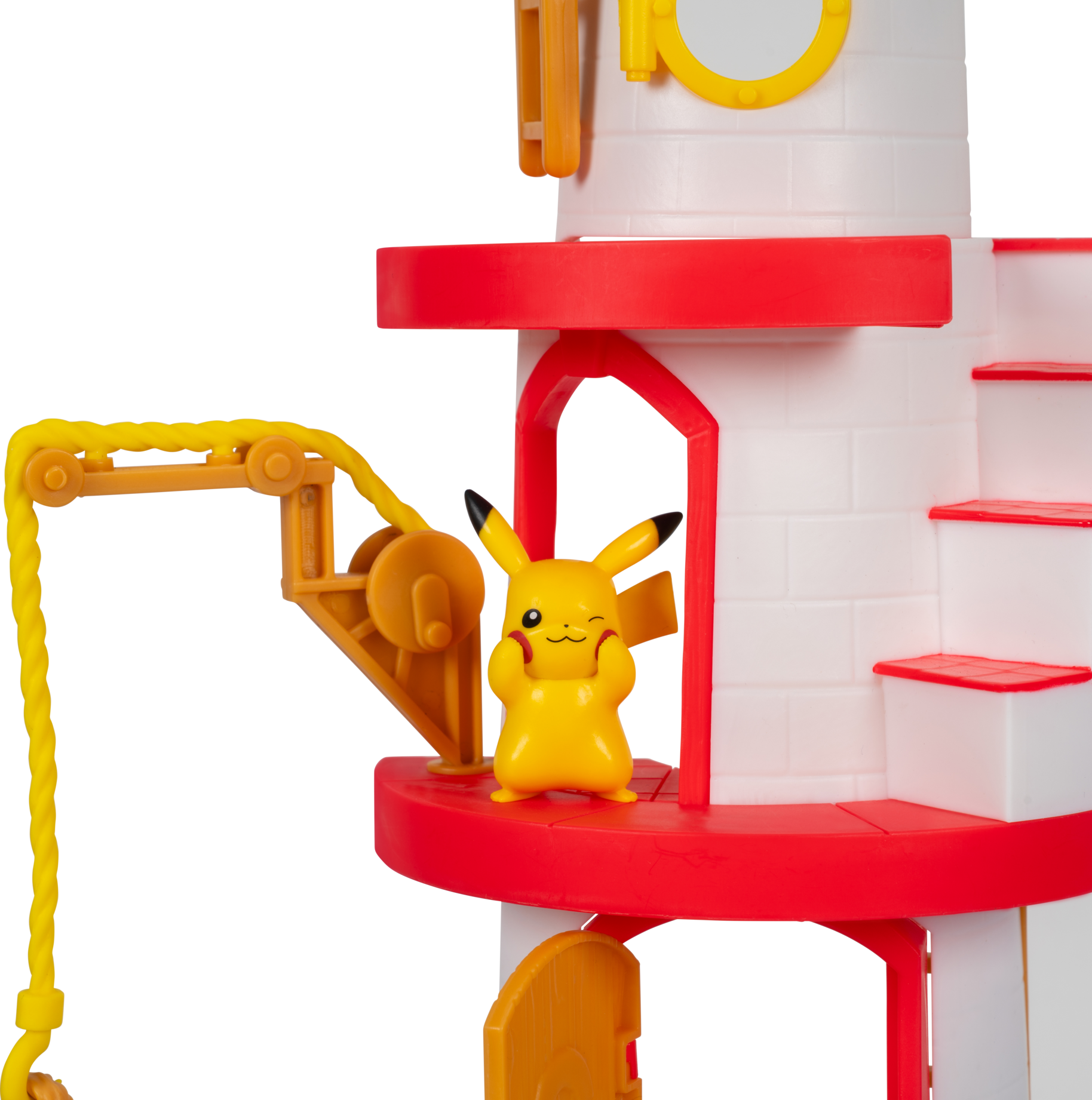
Jazwares Pokémon Carry Case Lighthouse Exploration Playset with Pikachu - Deep-Sea Adventure Playset with 2-Inch Battle FigurePortable playset unfolds from a backpack-style case into a detailed ocean scene centered around a four-storey lighthouse. Includes 2-inch Pikachu Battle Figure and two figure launchers for interactive play. Features rope wall, swinging rock bridge, interior elevator, rope ladder, and working treasure crane. Compatible with other 2-inch Pokémon Battle Figures.34,47 £*Shipping: 3,95 £Secure redirect to the provider
-
Silver Lining Interactive - Interactive Outbound for Nintendo Switch 2 (Disc) - Open-world Exploration and Crafting Adventure - Nintendo Switch 2Explore a colourful open world at your own pace in Outbound, a relaxed open-world exploration and crafting adventure for Nintendo Switch 2. Begin with an empty camper van and gradually transform it into a comfortable, self-sufficient home on wheels. Key features include building and customising your camper van with modular parts, crafting workstations, tools and power supplies from gathered resources, and generating energy using the sun, wind and water. You can also grow crops, plants and mushrooms in your mobile home. Outbound supports solo play or online co-op with up to four players. The game includes the School Bus Adventures downloadable content and digital soundtrack.45,82 £*Shipping: 3,95 £Secure redirect to the provider
-
Aster Live Well Every Day by Dr Alex George - No.1 Sunday Times Bestselling Paperback Wellness Guide - Daily Habits for Health, Energy & Resilience - AgesDiscover a practical guide to building healthier daily habits with Dr Alex George's 'Live Well Every Day'. This No.1 Sunday Times bestselling book provides a personalized toolkit of habits to improve energy and wellbeing. Written by a physician and former UK Youth Mental Health Ambassador, it covers nutrition, movement, sleep, and mindset. Dr Alex encourages readers to make small, sustainable changes to their daily routine, rather than following a rigid plan. By focusing on steady, cumulative improvements, you can take control of your health and wellbeing. This paperback book is a valuable resource for anyone looking to make positive changes to their lifestyle.6,99 £*Shipping: 2,99 £Secure redirect to the provider



-
Maybe subjunctive or indicative?
The choice between subjunctive or indicative depends on the context of the sentence. The subjunctive mood is used to express doubt, uncertainty, desire, or hypothetical situations, while the indicative mood is used for statements of fact or certainty. To determine whether to use subjunctive or indicative, consider the verb's relationship to reality and whether it is expressing a fact or a possibility. **
-
Conditional, subjunctive or indicative?
The choice between conditional, subjunctive, or indicative mood depends on the context of the sentence. The conditional mood is used to express a hypothetical situation or a condition that is dependent on something else happening. The subjunctive mood is used to express wishes, recommendations, or possibilities. The indicative mood is used to state facts or ask questions. **
-
What is the use of the present subjunctive and the past subjunctive?
The present subjunctive is used to express desires, doubts, wishes, or hypothetical situations in the present or future. It is often used after certain verbs and conjunctions that indicate uncertainty or subjectivity. The past subjunctive, on the other hand, is used to express desires, doubts, wishes, or hypothetical situations in the past. It is often used in the same way as the present subjunctive, but in reference to past events or situations. Both subjunctive forms are used to convey uncertainty or subjectivity in a sentence. **
-
Are the subjunctive I and the subjunctive II present in all tenses?
No, the subjunctive I and subjunctive II are not present in all tenses. The subjunctive I is only present in the present tense, while the subjunctive II is present in the past tense. The subjunctive I is used to express wishes, suggestions, or hypothetical situations in the present, while the subjunctive II is used to express wishes, suggestions, or hypothetical situations in the past. Each tense has its own specific form of the subjunctive mood. **


'It is strange that + subjunctive'
It is strange that she should be so calm in such a chaotic situation. **
When is the subjunctive used?
The subjunctive is used to express desires, doubts, wishes, possibilities, recommendations, or hypothetical situations. It is often used in dependent clauses following certain verbs or expressions that convey these meanings. The subjunctive mood is used to show uncertainty or subjectivity in a sentence, rather than stating a fact or certainty. It is important to pay attention to the context and the verb that triggers the use of the subjunctive in order to use it correctly. **
Top-Angebote
Products related to Subjunctive:
-
Pan Make Brilliant Work: Lessons on Creativity, Innovation and Success by Rod Judkins - Paperback - Self-Help/Business Creativity Guide, Author ofMake Brilliant Work is an inspiring guide by Rod Judkins, drawing on the real-life stories of visionaries from Frida Kahlo to Steve Jobs. This paperback book reveals the methods and mindsets that turn ordinary effort into extraordinary results. Judkins proves that talent alone never guaranteed success — persistence, risk-taking and original thinking did. A motivating read for anyone wanting to unlock their creative potential at work or in life. The book profiles figures who failed at school, were told they lacked talent, or were fired more than once, yet went on to achieve great things. Written by Rod Judkins, published by Pan Macmillan, this book is a reassuring truth: you don't have to be naturally brilliant to produce brilliant work.2,99 £*Shipping: 2,99 £Secure redirect to the provider
-
Silver Lining Interactive Fishing Game for Nintendo Switch - Fishing Adventure with Upgrades and ExplorationEmbark on a fishing adventure in Azerim with Baelin, the fisherman from Viva La Dirt League's Epic NPC Man universe. When Azerim's heroes disappear and Honeywood comes under threat, this familiar non-player character must become an unlikely adventurer. Fish, explore, and rebuild the village by taking on aquatic enemies through timing-based fishing battles, selecting suitable bait, and learning magical abilities for increasingly challenging catches. Explore forests, coastline, and underwater areas while improving Baelin's rod, line, boat, and other equipment. Key features include battling unusual fish, exploring Azerim, upgrading your gear, and restoring Honeywood. The game also includes a legendary DLC.32,35 £*Shipping: 3,95 £Secure redirect to the provider
-
Sesderma Reti Age 5 Liposomal Serum Anti-Aging Innovation 30mLA facial serum for wrinkles and signs of ageing. Reduces wrinkles and fine lines. Hydrates and strengthens barrier. Restores youthful radiance. 5-Retinoid System: smooths wrinkles, accelerates renewal, and boosts collagen. Biomimetic Peptides: fill expression lines by stimulating collagen synthesis.53,26 £*Shipping: 5,22 £Secure redirect to the provider
-
Jazwares Pokémon Carry Case Lighthouse Exploration Playset with Pikachu - Deep-Sea Adventure Playset with 2-Inch Battle FigurePortable playset unfolds from a backpack-style case into a detailed ocean scene centered around a four-storey lighthouse. Includes 2-inch Pikachu Battle Figure and two figure launchers for interactive play. Features rope wall, swinging rock bridge, interior elevator, rope ladder, and working treasure crane. Compatible with other 2-inch Pokémon Battle Figures.34,47 £*Shipping: 3,95 £Secure redirect to the provider
-
How are Latin subjunctive subordinate clauses still translated with the subjunctive?
Latin subjunctive subordinate clauses are still translated with the subjunctive in English to convey the same sense of uncertainty, possibility, or doubt. In English, the subjunctive mood is used to express hypothetical or unreal situations, wishes, recommendations, or demands. Therefore, when translating Latin subjunctive subordinate clauses, the English subjunctive is used to maintain the same mood and meaning of the original Latin sentence. **
-
Perhaps, subjunctive or indicative?
The choice between subjunctive or indicative depends on the context of the sentence. The subjunctive mood is used to express hypothetical or uncertain situations, wishes, recommendations, or doubts. On the other hand, the indicative mood is used for statements of fact or certainty. Therefore, if the sentence is expressing a possibility, doubt, or desire, the subjunctive mood would be more appropriate. **
-
Maybe subjunctive or indicative?
The choice between subjunctive or indicative depends on the context of the sentence. The subjunctive mood is used to express doubt, uncertainty, desire, or hypothetical situations, while the indicative mood is used for statements of fact or certainty. To determine whether to use subjunctive or indicative, consider the verb's relationship to reality and whether it is expressing a fact or a possibility. **
-
Conditional, subjunctive or indicative?
The choice between conditional, subjunctive, or indicative mood depends on the context of the sentence. The conditional mood is used to express a hypothetical situation or a condition that is dependent on something else happening. The subjunctive mood is used to express wishes, recommendations, or possibilities. The indicative mood is used to state facts or ask questions. **
Similar search terms for Subjunctive
-
Silver Lining Interactive - Interactive Outbound for Nintendo Switch 2 (Disc) - Open-world Exploration and Crafting Adventure - Nintendo Switch 2Explore a colourful open world at your own pace in Outbound, a relaxed open-world exploration and crafting adventure for Nintendo Switch 2. Begin with an empty camper van and gradually transform it into a comfortable, self-sufficient home on wheels. Key features include building and customising your camper van with modular parts, crafting workstations, tools and power supplies from gathered resources, and generating energy using the sun, wind and water. You can also grow crops, plants and mushrooms in your mobile home. Outbound supports solo play or online co-op with up to four players. The game includes the School Bus Adventures downloadable content and digital soundtrack.45,82 £*Shipping: 3,95 £Secure redirect to the provider
-
Aster Live Well Every Day by Dr Alex George - No.1 Sunday Times Bestselling Paperback Wellness Guide - Daily Habits for Health, Energy & Resilience - AgesDiscover a practical guide to building healthier daily habits with Dr Alex George's 'Live Well Every Day'. This No.1 Sunday Times bestselling book provides a personalized toolkit of habits to improve energy and wellbeing. Written by a physician and former UK Youth Mental Health Ambassador, it covers nutrition, movement, sleep, and mindset. Dr Alex encourages readers to make small, sustainable changes to their daily routine, rather than following a rigid plan. By focusing on steady, cumulative improvements, you can take control of your health and wellbeing. This paperback book is a valuable resource for anyone looking to make positive changes to their lifestyle.6,99 £*Shipping: 2,99 £Secure redirect to the provider
-
LightInthebox Men's Dark Gray Hiking Boots, Lace-Up Rugged Outdoor Adventure Style for Men, Trekking, Camping, Mountain Trails and Weekend ExplorationMaterials:Fabric,Suede; Season:Spring,Summer,Fall,Winter,All Seasons; Gender:Men's; Size Suggestion:standard size, select your usual size; Toe Shape:Round Toe; Style:Outdoor,Casual; Outsole Materials:Rubber; Occasion:Daily,Outdoor; Closure...69,99 $*Shipping: 6,99 $Secure redirect to the provider
-
What is the use of the present subjunctive and the past subjunctive?
The present subjunctive is used to express desires, doubts, wishes, or hypothetical situations in the present or future. It is often used after certain verbs and conjunctions that indicate uncertainty or subjectivity. The past subjunctive, on the other hand, is used to express desires, doubts, wishes, or hypothetical situations in the past. It is often used in the same way as the present subjunctive, but in reference to past events or situations. Both subjunctive forms are used to convey uncertainty or subjectivity in a sentence. **
-
Are the subjunctive I and the subjunctive II present in all tenses?
No, the subjunctive I and subjunctive II are not present in all tenses. The subjunctive I is only present in the present tense, while the subjunctive II is present in the past tense. The subjunctive I is used to express wishes, suggestions, or hypothetical situations in the present, while the subjunctive II is used to express wishes, suggestions, or hypothetical situations in the past. Each tense has its own specific form of the subjunctive mood. **
-
'It is strange that + subjunctive'
It is strange that she should be so calm in such a chaotic situation. **
-
When is the subjunctive used?
The subjunctive is used to express desires, doubts, wishes, possibilities, recommendations, or hypothetical situations. It is often used in dependent clauses following certain verbs or expressions that convey these meanings. The subjunctive mood is used to show uncertainty or subjectivity in a sentence, rather than stating a fact or certainty. It is important to pay attention to the context and the verb that triggers the use of the subjunctive in order to use it correctly. **
* All prices are inclusive of VAT and, if applicable, plus shipping costs. The offer information is based on the details provided by the respective shop and is updated through automated processes. Real-time updates do not occur, so deviations can occur in individual cases. ** Note: Parts of this content were created by AI.